Examining Digital Payment Pathways in French Mobile Slot and Lottery Combinations
Écrit par Frankie Bauer · 1/10/2026
Examining Digital Payment Pathways in French Mobile Slot and Lottery Combinations
Regulatory Foundations for Mobile Transactions
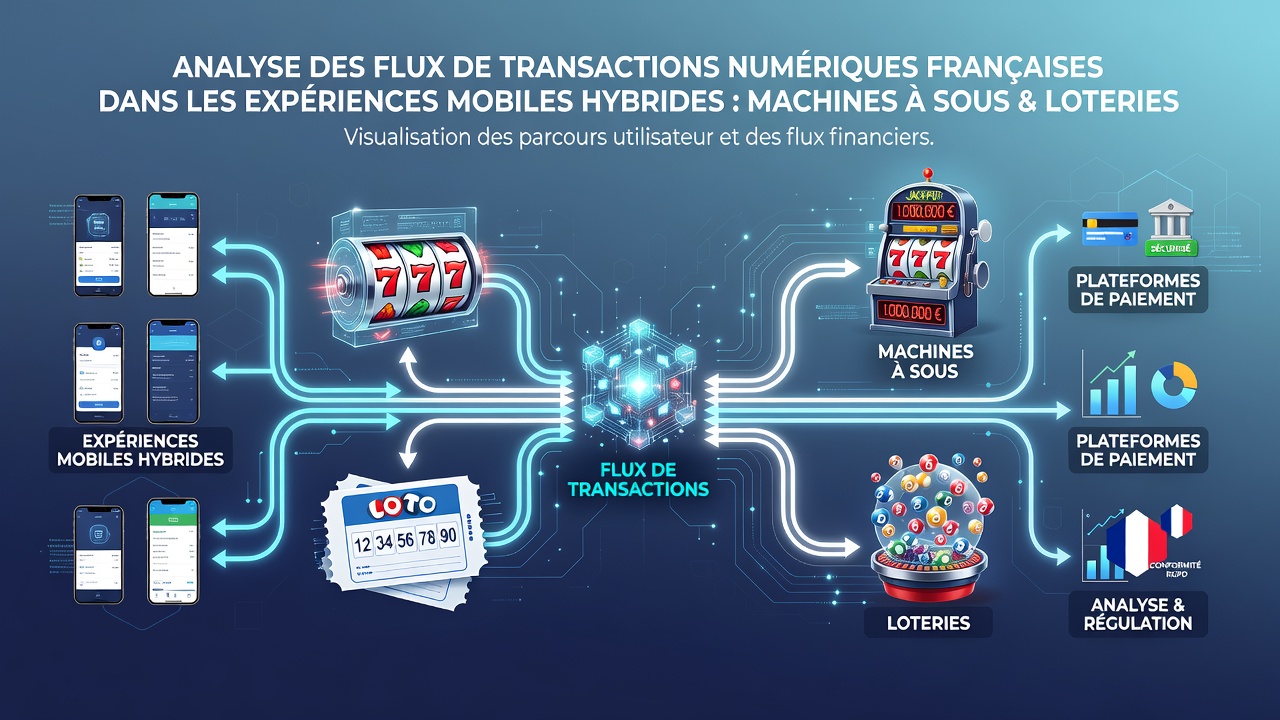
French law requires all mobile platforms that combine slot mechanics with lottery elements to route payments through licensed operators under the oversight of the Autorité Nationale des Jeux, and this framework has shaped how digital flows operate since the expansion of online gaming permissions. Observers note that transaction data must pass through secure gateways that record every deposit, wager, and payout in real time, which creates detailed audit trails that regulators review on a regular schedule. Researchers at European institutions have documented how these rules separate pure lottery draws from progressive slot features, forcing platforms to segment user funds so that lottery contributions follow one set of tax calculations while slot wagers follow another.
Mapping the Flow of Funds in Blended Experiences
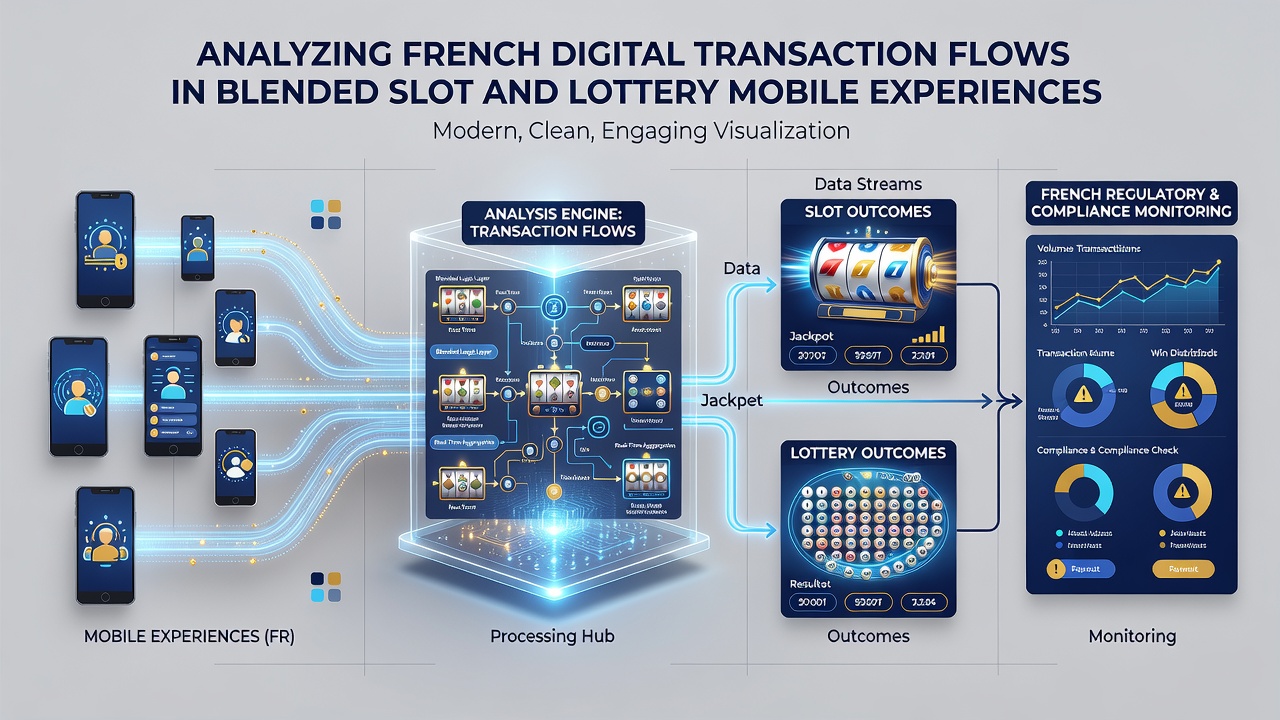
Users initiate a session by linking a bank account or digital wallet to the mobile app, after which the system allocates portions of the deposit to different game categories according to pre-set ratios established by the operator. Data shows that a single transaction often splits automatically, sending one percentage to a lottery pool and another to a slot bank, while the remaining balance stays in a general wallet for future selections. Analysts tracking these movements have identified consistent patterns where peak activity occurs during evening hours, with October 2026 figures revealing a measurable uptick in blended session lengths compared to earlier periods. Payment processors apply encryption at each step, and the entire sequence completes in seconds, allowing seamless movement between lottery ticket purchases and slot spins without requiring separate logins or additional verifications.
Technical Components of Transaction Processing
Backend systems rely on application programming interfaces that connect the mobile front end directly to banking networks and lottery central systems, ensuring that each bet triggers an immediate update across multiple ledgers. Experts tracking these connections report that French platforms must maintain separate ledgers for progressive jackpots tied to slot outcomes versus those linked to lottery rollovers, which prevents cross-contamination of prize pools. Mobile applications further incorporate real-time fraud detection that flags unusual patterns, such as rapid successive deposits followed by large withdrawals, and these alerts route to compliance teams for review within minutes. Studies from academic centers focused on digital finance indicate that transaction latency in these blended environments averages under three seconds when users operate on domestic networks, while international connections show slightly longer delays due to additional routing requirements.
Data Patterns and Volume Trends
Transaction volumes in the French market have grown steadily, with records from 2025 and into October 2026 showing increased mobile participation in combined offerings. Figures reveal that blended platforms account for a rising share of total gaming activity, driven largely by younger demographics who prefer single-app experiences over switching between separate lottery and casino applications. Payment method preferences lean toward instant bank transfers and established digital wallets, and operators report that these methods reduce failed transaction rates compared with older card-only systems. Analysts examining anonymized datasets note recurring sequences where small lottery purchases precede larger slot wagers, suggesting users often test platform mechanics before committing higher amounts to progressive features.
Integration Challenges Across Payment Gateways
Operators face ongoing requirements to reconcile data between slot engines and lottery systems, especially when progressive jackpots accumulate across both categories on the same platform. Technical teams implement middleware that translates transaction requests into formats compatible with each backend, and this layer handles currency conversions along with tax withholdings before funds reach the user account. Research indicates that platforms which update these middleware components regularly experience fewer reconciliation errors during month-end reporting cycles. External reviews by independent auditors confirm that transaction integrity remains high when operators follow the layered verification protocols mandated by current French standards.
Future Developments in Transaction Infrastructure
Industry reports point toward greater adoption of tokenized payment methods that allow users to pre-authorize spending limits across blended game types without repeated entry of banking details. European regulatory bodies continue to evaluate updates that could standardize reporting formats for all operators handling both slot and lottery flows, which would simplify cross-border data comparisons. Observers tracking pilot programs note that new authentication layers, including biometric checks on mobile devices, have reduced certain categories of disputed transactions in test markets. These shifts align with broader movements toward real-time settlement systems that shorten the window between wager placement and prize distribution.
Conclusion
The analysis of digital transaction flows in French blended mobile experiences demonstrates a tightly regulated environment where technical systems, payment gateways, and compliance requirements intersect at every step. Data collected through October 2026 continues to illustrate steady growth alongside measurable improvements in processing speed and security protocols. Platforms that maintain clear separation of lottery and slot ledgers while supporting unified user interfaces appear positioned to meet both regulatory expectations and user preferences in the evolving market.