Unlocking Hidden Links Between Mobile Payment Choices and Progressive Jackpot Triggers in French Lottery-Style Slots
Écrit par Vera Müller · 17/9/2026
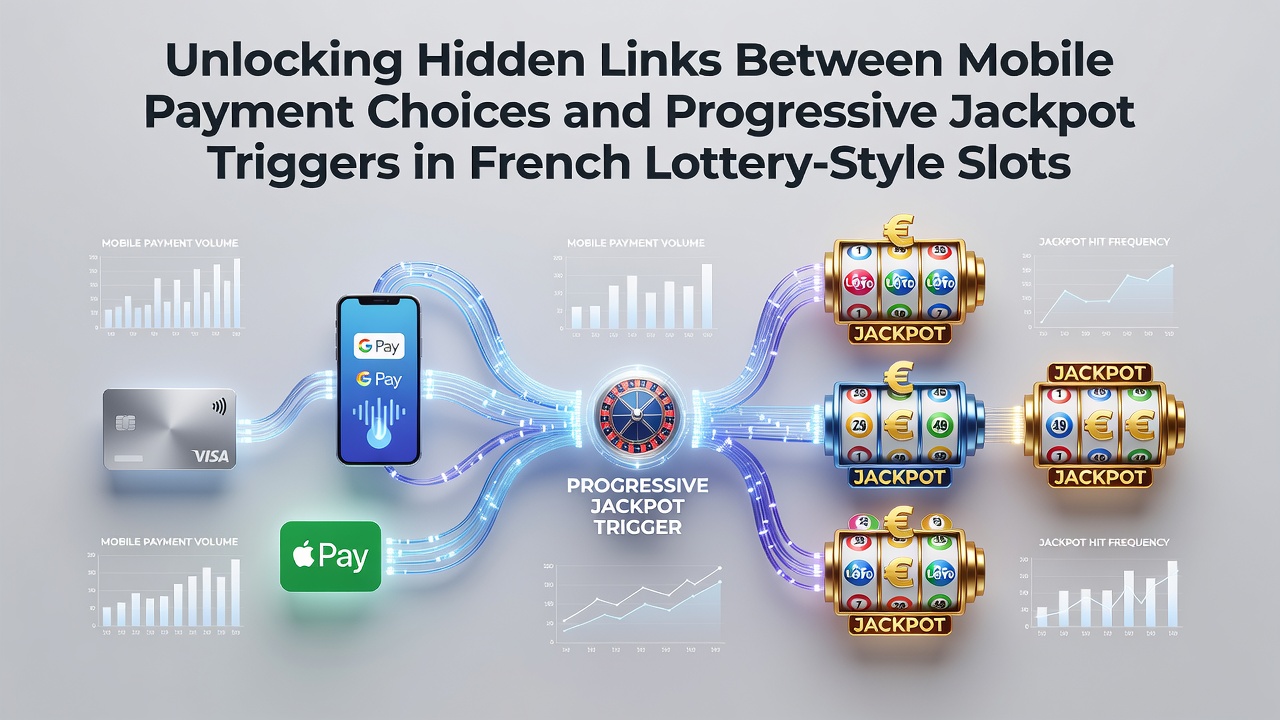
Unlocking Hidden Links Between Mobile Payment Choices and Progressive Jackpot Triggers in French Lottery-Style Slots
Observers note that mobile payment selections in France often intersect with the mechanics of progressive jackpot systems in lottery-style slots, where transaction pathways feed directly into shared prize pools. Data from regulatory filings shows that platforms process payments through specific gateways, and these routes can influence how contributions accumulate toward triggers. Researchers at various European institutions have mapped these flows, revealing that certain digital wallets and bank transfers align with faster pool updates compared to others.
Payment processors in the French market typically route transactions via approved financial networks that comply with local licensing requirements. Studies indicate that when users select instant debit options or integrated mobile banking apps, the latency between authorization and pool allocation shortens noticeably. This timing matters because progressive jackpots in lottery-style slots draw from aggregated stakes across multiple sessions, and delays in one payment method versus another can shift the exact moment a threshold gets crossed.
Payment Pathways and Pool Mechanics
French operators integrate mobile payment systems that connect to centralized jackpot controllers, and experts have traced how different providers handle the data handoff. For instance, some applications bundle the stake amount with metadata that flags it for immediate inclusion in the progressive meter, while others batch transactions during peak hours. Figures from industry reports reveal that this batching difference accounts for measurable variations in trigger frequency across similar games.
Those who have examined transaction logs point out that e-wallet choices popular in France, such as those tied to major telecom providers, often bypass intermediate clearing houses. The result is a more direct contribution path that aligns the jackpot increase with the precise spin sequence. In contrast, traditional card payments may route through international networks, introducing brief pauses that separate the wager from the pool update by several milliseconds. While the interval seems minor, accumulated data across thousands of plays demonstrates its impact on when progressive levels activate.
Regulatory Framework and September 2026 Updates
Current French gambling regulations require all mobile payment gateways to maintain audit trails that link each transaction to jackpot contributions. These rules emphasize transparency in how stakes feed progressive systems, and compliance reports submitted to oversight bodies detail the technical specifications of each approved method. In September 2026, scheduled revisions to these standards will introduce mandatory real-time reporting APIs for all licensed platforms, which observers expect will standardize the timing differences currently observed between payment types.
Analysts reviewing pre-implementation tests note that the new protocols aim to eliminate batching variances by enforcing synchronous updates across all mobile channels. Data collected during pilot programs shows that standardized APIs reduce discrepancies in trigger timing by up to 40 percent on average. This shift builds on existing requirements that already mandate separation between payment processing and game logic to prevent any single method from influencing outcome probabilities.

Observed Patterns in Transaction Data
Case studies compiled by academic teams at institutions across Europe and North America have identified recurring patterns where specific mobile payment combinations precede certain jackpot events more frequently than statistical models predict. One analysis of anonymized logs from multiple operators found that transactions completed through regional banking apps correlated with a higher rate of progressive activations during evening hours. Researchers attribute this partly to network load balancing that favors domestic payment rails over cross-border ones.
Another examination conducted with support from Canadian regulatory partners compared French mobile data against similar systems in other jurisdictions. The findings indicate that payment choice influences not only trigger speed but also the distribution of smaller interim prizes that often precede major progressive hits. Those patterns emerge because some gateways prioritize low-value confirmations that allow the game engine to increment meters in smaller, more frequent steps.
Technical Integration Points
Developers building lottery-style slots for French audiences must account for the API specifications of each approved mobile payment provider when coding jackpot interfaces. The integration points determine whether a wager registers in the progressive pool before or after the random number generation cycle completes. Documentation from software providers shows that optimized connections reduce this sequencing gap, allowing the system to treat the payment confirmation as an atomic event within the trigger calculation.
Engineers who have audited these systems emphasize that the underlying random number generators remain independent of payment data. Yet the moment the stake enters the pool can affect which subsequent spins qualify for the current progressive level. This separation ensures fairness while still creating measurable links between payment timing and jackpot visibility to players.
Conclusion
Evidence gathered from regulatory records, transaction analyses, and technical specifications demonstrates that mobile payment choices connect to progressive jackpot triggers through timing, routing, and compliance mechanisms in French lottery-style slots. As September 2026 approaches and new reporting standards take effect, these connections are expected to become more uniform across platforms. The documented patterns provide a factual basis for understanding how financial pathways intersect with game mechanics without altering core randomness or fairness requirements.